You may have a finished manuscript and still feel stuck on the cover. Maybe the writing is done, but the front of the book just doesn’t feel right yet. Or you know the story is strong and simply need a cover that actually fits it. The hard part is often not finishing the book. It’s creating a cover that looks professional, matches the genre, and gives readers the right first impression.
 Expert Guidance
 1000+ Books Published
  Global Reach
 A cover designer shouldn’t ignore the book and just make something that looks trendy for a week. The process works better when there’s real communication. We start by understanding what kind of book you have, who it’s for, and what feeling the cover should create. Some authors already have a clear visual direction. Others only know the genre and the tone. Some have examples they like. Others just know what they don’t want. All of those are valid starting points. From there the designer reviews the project, explores the right visual direction, and develops cover concepts that fit the book so the final design feels intentional, clear, and ready for print and digital use.

We start by looking at the manuscript and the market around it. What kind of book is it? Who is the reader? What should the cover signal at first glance? Then we figure out the right design direction before any detailed artwork begins.
The designer reviews genre expectations, comparable titles, and the tone of your book. Typography, imagery, colour, and overall style are considered carefully. The aim is to find a direction that fits the book instead of forcing a look that doesn’t belong.
Once the direction is clear, initial cover concepts are created. These early designs help test different approaches so you can see what feels right before the final version is locked in.
After the strongest direction is chosen, the design is refined. Details are adjusted, hierarchy is improved, and the cover is strengthened based on feedback so it feels more polished and complete.
When the design is approved, final files are prepared for print and digital use. The cover is delivered in the formats needed for publishing, distribution, and ongoing promotion.
We start by looking at the manuscript and the market around it. What kind of book is it? Who is the reader? What should the cover signal at first glance? Then we figure out the right design direction before any detailed artwork begins.
The designer reviews genre expectations, comparable titles, and the tone of your book. Typography, imagery, colour, and overall style are considered carefully. The aim is to find a direction that fits the book instead of forcing a look that doesn’t belong.
Once the direction is clear, initial cover concepts are created. These early designs help test different approaches so you can see what feels right before the final version is locked in.
After the strongest direction is chosen, the design is refined. Details are adjusted, hierarchy is improved, and the cover is strengthened based on feedback so it feels more polished and complete.
When the design is approved, final files are prepared for print and digital use. The cover is delivered in the formats needed for publishing, distribution, and ongoing promotion.
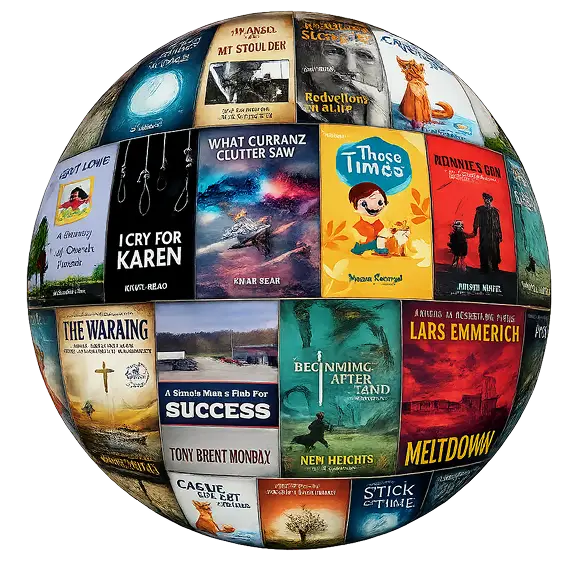
A book cover is not just decoration. It is often the first thing a reader notices. It has to fit the genre, suggest the tone of the book, and look clear at thumbnail size as well as in full print. A weak cover can make a strong manuscript look unfinished. A strong cover can help the right reader stop and take the book seriously. Most importantly, the design should still feel connected to the book itself. Our approach starts with collaboration. We discuss the direction before detailed design begins. Share concepts during the process.
One of the biggest concerns authors have about cover design is simple: “What if the final cover does not feel like my book?” It’s a fair question. Your designer needs to understand more than trends and software. They need to understand the genre. The tone. The kind of readers you want to attract. The impression you want the book to make before anyone reads the first page. That’s why the early conversations matter. We look at your manuscript and goals carefully, discuss visual options, and agree on a clear direction before the design work gets too far along. Whether you need a cover for a memoir, novel, business book, self-help title, or another type of project, the goal is the same: create a professional cover that fits the book and works in the real marketplace.
Focused on genre, tone, and first impression
Typography, imagery, and visual hierarchy
Ready for publishing and promotion
Your feedback remains part of the process
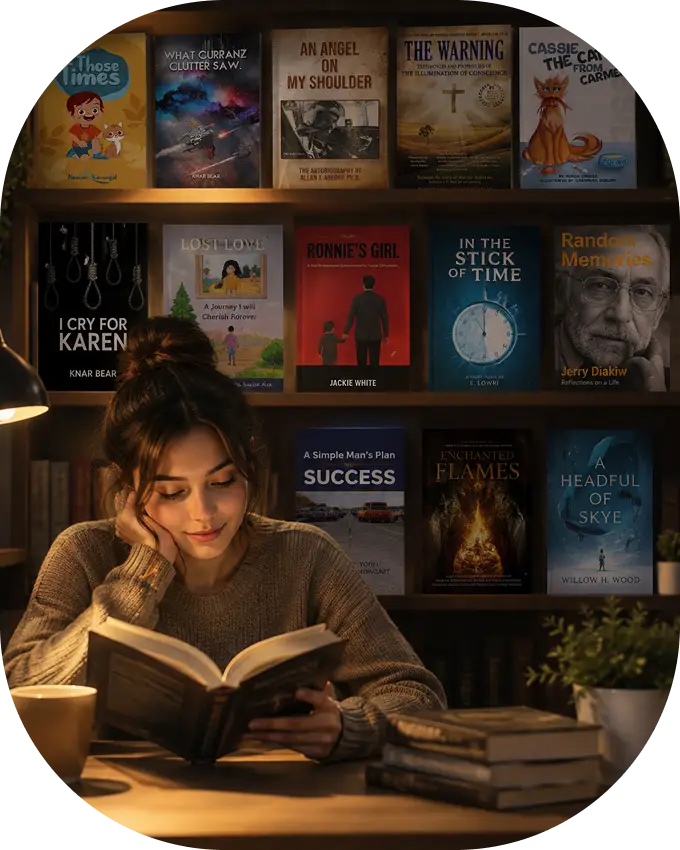

You don’t need a full design brief before asking for help.
Professional cover design has certain expectations. Genre clarity matters. So does readable typography, strong hierarchy, marketplace awareness, and clean final files. But following those standards doesn’t mean every cover should look the same. A good design process finds the balance between professional presentation and the identity of the book. The finished cover should look complete and competitive, while still feeling connected to the manuscript behind it. That can mean refining the concept carefully. Improving the typography. Adjusting the imagery. Strengthening the composition.
“I had the manuscript finished, but the cover ideas I tried never felt right. Working with a proper design process finally gave the book a front that matched the story.”


“My biggest challenge was not the writing. It was finding a cover that looked professional without feeling generic. The design process helped solve that.”
“I didn’t want a template-looking cover. Getting clear design support made the final version feel much more intentional and better suited to the book.”
“I needed the cover to look credible in my category. The design work helped with that while still keeping me involved in the decisions.”
“The best part was being able to talk through visual direction before the final design was made. It made the whole process clearer.”
“I was worried the cover would end up looking like every other book in the genre. The process stayed focused on my book and what it actually needed.”
Books Supported
Editing Projects
Publishing Projects
Readers Reached