A finished manuscript can still look unfinished once it hits the page. Maybe the chapters feel cramped. Maybe the spacing is all over the place. Or the ebook version breaks in weird spots when you test it. Writing the book is one job. Making the interior clean enough for real readers is another.
 Expert Guidance
 1000+ Books Published
  Global Reach
 Good formatting is mostly invisible when it works. Readers should not notice strange gaps, uneven chapter openings, or text that feels awkward on the screen. They should just move through the pages without friction. That only happens when someone actually pays attention to the structure of the file before it goes live. Some authors send over a fairly clean draft. Others send a document full of mixed styles, manual spacing, and leftover notes. Both are fine. We start from whatever you have, sort out the problems, and build an interior that feels steady from the first chapter to the last.

We open the manuscript and look at what is really there. Inconsistent headings, extra line breaks, odd fonts, and structural mess all show up here. This step tells us how much cleanup is needed before layout can start.
Next we decide how the book should sit on the page. Trim size, margins, body font, chapter titles, and spacing between elements are chosen to suit the genre and reading experience. The goal is comfort, not decoration.
The manuscript is then formatted properly. Chapters are styled, pages are balanced, and the text is made consistent throughout. This is where the book starts looking like an actual book instead of a Word document.
Print interiors and ebook files behave differently. We check both. That means catching bad breaks, compressed text, conversion errors, and anything else that only appears after the file leaves the original document.
Once the interior is solid, you receive the finished files ready for upload or print production. No half-prepared exports. Just clean files meant for real use.
We open the manuscript and look at what is really there. Inconsistent headings, extra line breaks, odd fonts, and structural mess all show up here. This step tells us how much cleanup is needed before layout can start.
Next we decide how the book should sit on the page. Trim size, margins, body font, chapter titles, and spacing between elements are chosen to suit the genre and reading experience. The goal is comfort, not decoration.
The manuscript is then formatted properly. Chapters are styled, pages are balanced, and the text is made consistent throughout. This is where the book starts looking like an actual book instead of a Word document.
Print interiors and ebook files behave differently. We check both. That means catching bad breaks, compressed text, conversion errors, and anything else that only appears after the file leaves the original document.
Once the interior is solid, you receive the finished files ready for upload or print production. No half-prepared exports. Just clean files meant for real use.
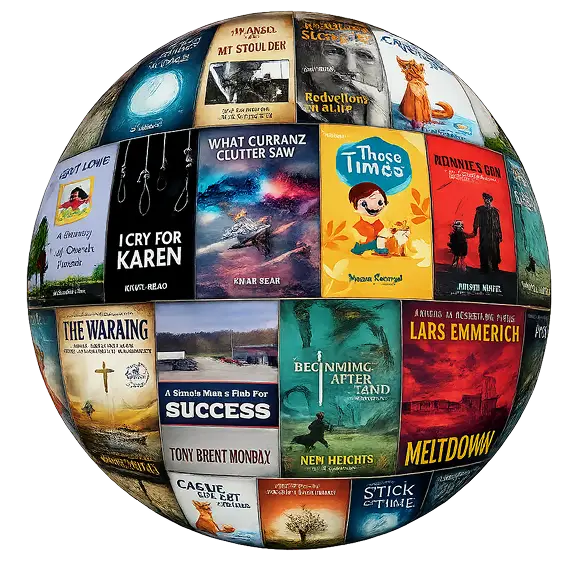
Readers rarely praise formatting out loud. They do notice when it is bad. A cramped page, a chapter that starts in an ugly place, or an ebook that refuses to behave can make the whole book feel careless. Clean formatting removes those distractions so the writing gets the attention it deserves. We treat the interior as part of the reading experience, not as an afterthought. That means careful setup, proper checks, and enough revision room to fix what still looks off.
A lot of authors only realise they need formatting help after an upload goes wrong or a proof copy looks messy. You do not have to wait for that point.
If the manuscript is written and you want the pages to look intentional, we can take it from here. The conversations stay straightforward. You see what is being done. The final files are built for the platforms you actually plan to use.
Removing the mess that makes a draft look unfinished
Pages set up for comfortable reading
Prepared for smooth conversion and display
Room for feedback before everything is locked


You do not need a perfectly styled file before getting in touch.
There are technical rules worth following. Consistent styles, readable type, proper margins, and files that do not fall apart on upload all matter. At the same time, not every book should feel identical. A novel and a business title need different rhythms on the page. Good formatting respects those differences while still producing a professional result. Sometimes that means heavier cleanup. Sometimes it means a lighter, more precise pass. The manuscript decides.
“The draft read fine on my screen, but the first proof looked uneven. Once it was formatted properly, the whole book felt finished.”


“I kept running into ebook glitches. Getting the interior rebuilt properly fixed the problems I could not solve on my own.”
“I did not want the paperback to look like an amateur upload. The formatting made a clear difference.”
“Having both print and ebook handled together saved me a lot of back-and-forth. The files just worked.”
“Small layout issues are easy to miss until it is too late. Catching them early made publication much smoother.”
“I was half expecting the formatted version to feel stiff. It stayed readable and suited the book.”
Books Supported
Editing Projects
Publishing Projects
Readers Reached