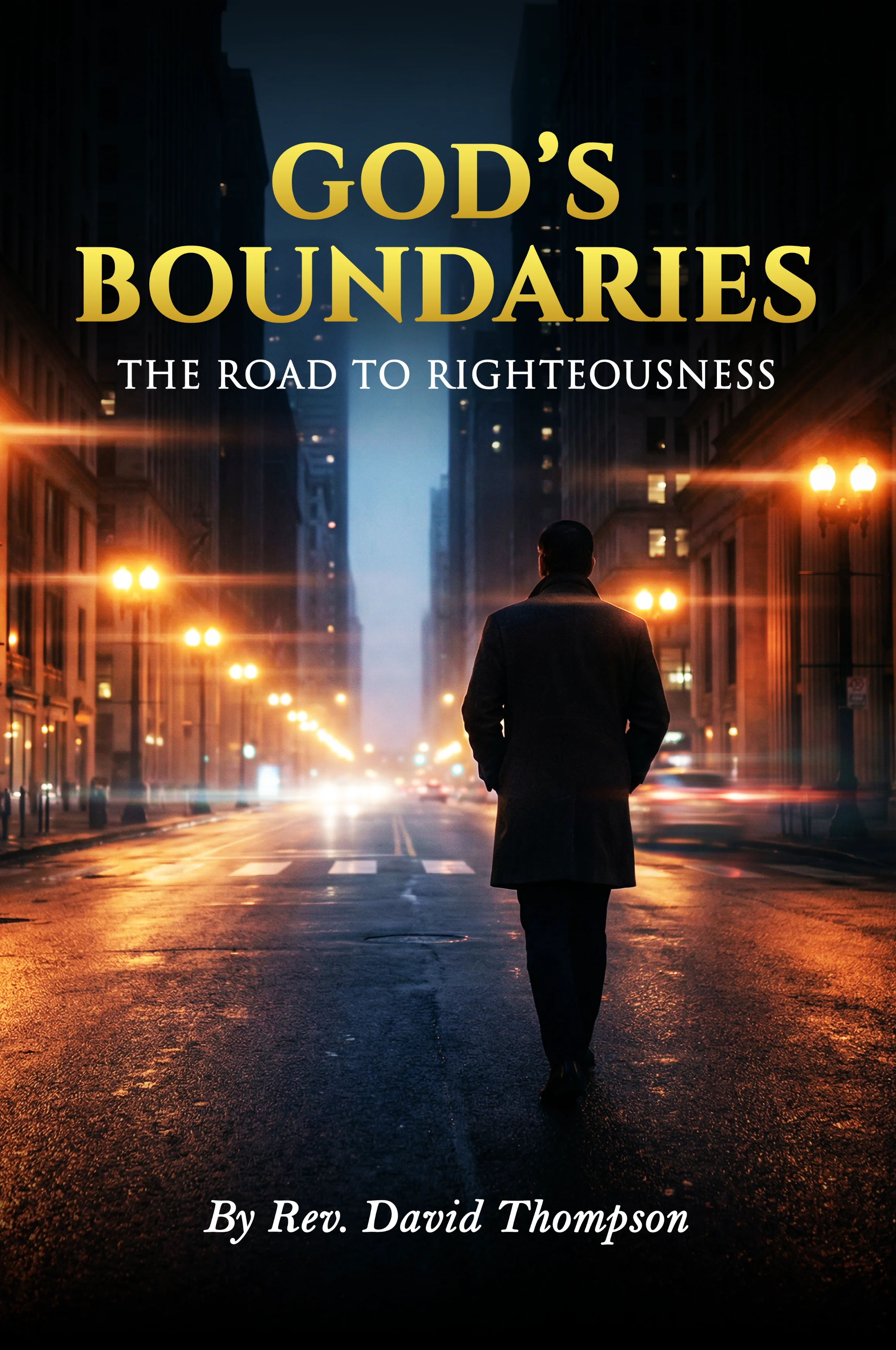
You may already have a finished book and still wonder how it would sound out loud. Maybe readers keep asking for an audio version. Or you know the story works on the page and want to give people another way to experience it. Writing gives the book its shape. Audio gives it a voice.
 Expert
Guidance
Expert
Guidance 1000+ Books Published
 Global Reach
An audiobook is not just a recording of the text. It needs the right voice, steady pacing, clear audio, and production that does not distract from the story or message. Some books need a single narrator. Others benefit from a different approach. The important part is matching the sound of the book to the book itself. Authors come to this stage for different reasons. Some want to reach listeners who prefer audio. Others want a second format for a book already in print. Some are building a wider presence across platforms.
We start by looking at the book and what it needs in audio form. Genre, length, tone, and intended audience all matter. This helps determine the right narration direction before recording begins.
The voice has to fit the book. We discuss style, pacing, and the overall feel of the narration so the finished audio sounds natural rather than forced.
Once the direction is set, the book is recorded and produced. The focus stays on clear delivery, clean sound, and a listening experience that holds together from start to finish.
After the main production work, the audio is reviewed. Any issues with clarity, pacing, or consistency are addressed so the final version feels solid.
You receive the completed audiobook files prepared for the next stage, whether that is platform upload, distribution setup, or release planning.
We start by looking at the book and what it needs in audio form. Genre, length, tone, and intended audience all matter. This helps determine the right narration direction before recording begins.
The voice has to fit the book. We discuss style, pacing, and the overall feel of the narration so the finished audio sounds natural rather than forced.
Once the direction is set, the book is recorded and produced. The focus stays on clear delivery, clean sound, and a listening experience that holds together from start to finish.
After the main production work, the audio is reviewed. Any issues with clarity, pacing, or consistency are addressed so the final version feels solid.
You receive the completed audiobook files prepared for the next stage, whether that is platform upload, distribution setup, or release planning.
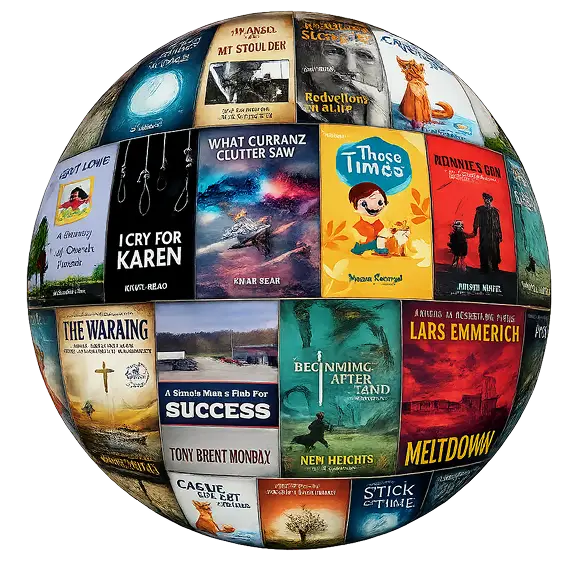
A lot of readers now listen instead of reading on the page. That makes audiobooks more than a bonus format. For some people, it is the main way they experience books at all. A strong audio version can open the work to commuters, busy listeners, and anyone who prefers sound over text. We treat audiobook production as a real extension of the book, not a rushed add-on. The writing already exists. The job now is to carry it into a format that feels good to hear.
If the manuscript is finished and you want a clear path into audiobook format, this is the stage to start. The process stays focused. We are not trying to reinvent the book. We are trying to give it a voice that fits.
Finding a voice that suits the book
Clean recording and steady sound
Room to catch issues before release
You stay part of the key decisions
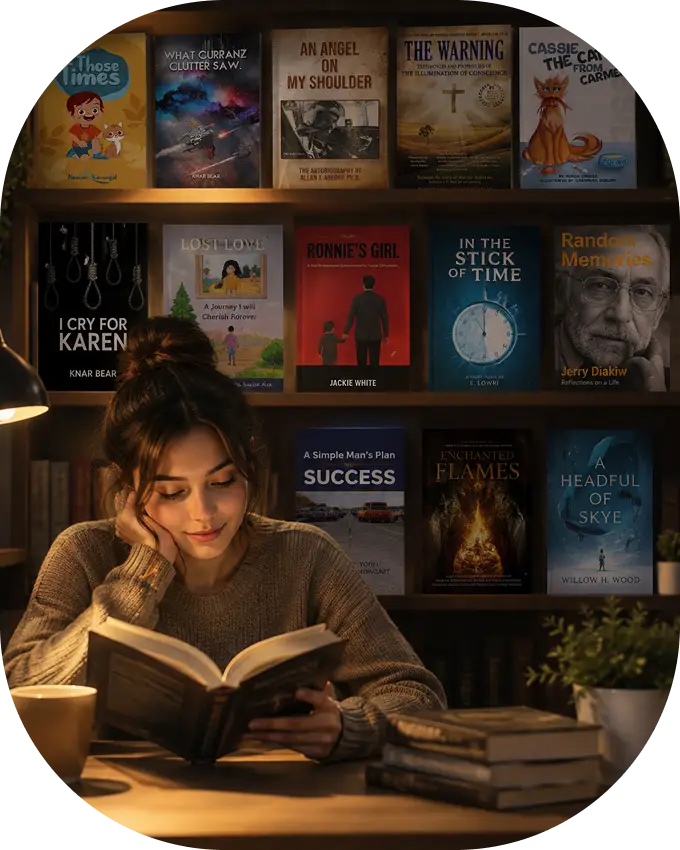

The first conversation is about the manuscript, the kind of listeners you want to reach, and what the audio version should feel like.
A good audiobook should still feel like the same book. The voice, pacing, and production choices all need to respect what already works on the page. Sometimes that means a straightforward narration. Sometimes it needs more careful matching of tone. In both cases the aim stays the same: an audio version that feels natural and worth listening to.
“I knew the book worked in print, but I was unsure how it would sound. The audio version made it feel bigger without changing what it was.”


“Listeners had been asking for an audiobook for a while. Getting proper production support made the process much less confusing.”
“I did not want the narration to feel flat or rushed. The finished audio sounded measured and true to the book.”
“The review stage helped catch small issues before release. That alone made the final version stronger.”
“I had the manuscript ready but no clear idea how to move into audio. The process gave me a practical path forward.”
“I wanted the audiobook to feel like a natural extension of the writing. That is exactly how it turned out.”
Books Supported
Editing Projects
Publishing Projects
Readers Reached