You may have a story that feels perfect for children and still not know how to turn it into a real book. Maybe the idea has been sitting with you for a while. Or the draft is already written and now needs the kind of care children’s books require. Writing for young readers is one thing. Publishing a book they can actually hold, enjoy, and return to is another.
 Expert
Guidance
Expert
Guidance 1000+ Books Published
 Global Reach
A children’s book has to work on more than one level. The language needs to suit the age group. The rhythm has to feel right when read aloud. The pages should leave room for illustrations to do real work. And the finished book needs to feel warm, clear, and inviting rather than crowded or confusing. Some authors arrive with a complete draft. Others have a rough story, a few scenes, or just a strong idea. Some already know the age range. Others are still figuring that out. All of those are useful starting points.
We start by looking at the manuscript or idea and the age group it is meant for. Tone, vocabulary, length, and overall direction all matter here. This helps set the right foundation before deeper work begins.
Children’s stories need clarity and flow. We help refine the writing so it feels natural to read aloud, easy to follow, and strong enough to carry the illustrations that come next.
Pictures do a lot of the storytelling in children’s books. We help plan how the text and visuals should work together so the pages feel balanced rather than overloaded.
Once the story and visual direction are in place, the book is prepared for print and digital formats. Layout, spacing, and page flow are handled carefully so the finished book is comfortable for young readers and the adults reading with them.
When the files are ready, the book is prepared for release. That includes the practical publishing steps needed to make the finished children’s book available to families and readers.
We start by looking at the manuscript or idea and the age group it is meant for. Tone, vocabulary, length, and overall direction all matter here. This helps set the right foundation before deeper work begins.
Children’s stories need clarity and flow. We help refine the writing so it feels natural to read aloud, easy to follow, and strong enough to carry the illustrations that come next.
Pictures do a lot of the storytelling in children’s books. We help plan how the text and visuals should work together so the pages feel balanced rather than overloaded.
Once the story and visual direction are in place, the book is prepared for print and digital formats. Layout, spacing, and page flow are handled carefully so the finished book is comfortable for young readers and the adults reading with them.
When the files are ready, the book is prepared for release. That includes the practical publishing steps needed to make the finished children’s book available to families and readers.
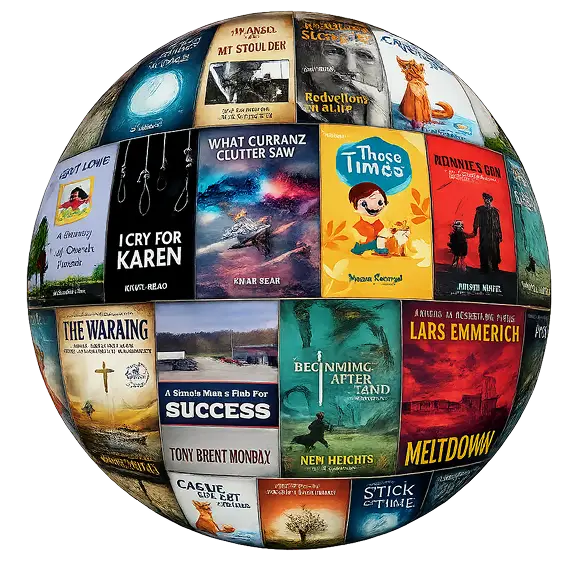
Publishing for children is not the same as publishing for adults. Young readers notice different things. Parents and teachers do too. The words, the pictures, the pacing, and even the size of the book all affect whether a child stays interested. A good children’s book feels simple on the surface and carefully made underneath. We treat these projects with that in mind. The goal is not to make the book look busy or overly clever. The goal is to make it clear, warm, and worth reading more than once.
If you have a children’s story and want help turning it into a finished book, this is where that work begins. The process stays focused on what the book needs at each stage, from the manuscript through to the final published version.
Language and pacing shaped for young readers
Text and visuals planned to work together
Clean pages that are easy to follow
Files and setup ready for release
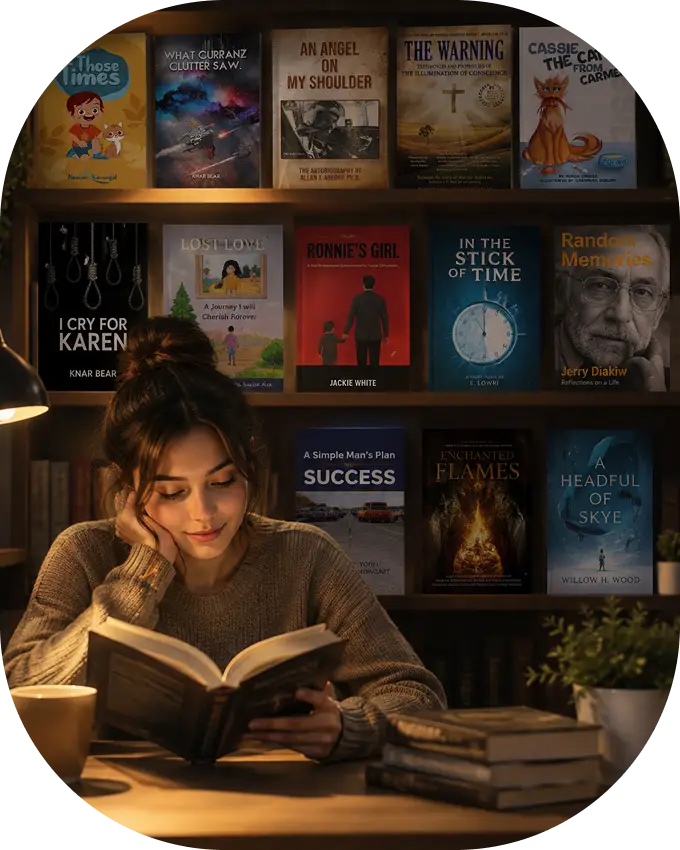

If you have a story, a draft, or even a clear idea for a children’s book, that is enough to start the conversation.
A children’s book should feel carefully made without becoming stiff. The best ones keep a sense of warmth and personality while still working well on the page. That balance matters. Sometimes the writing needs tightening. Sometimes the structure needs simplifying. Sometimes the visuals need more room. In every case, the book itself leads the process.
“I had the story, but I did not know how to shape it for younger readers. The process helped me find the right level without losing the heart of it.”


“I wanted the book to feel gentle and clear. Getting support with both the writing and the visual side made a big difference.”
“Reading the story aloud changed everything. The revisions helped it sound more natural for children and parents.”
“I was unsure how much text should sit on each page. The layout guidance made the book much easier to follow.”
“I had never published a children’s book before. Having a clear path from draft to finished book made the whole thing less overwhelming.”
“The finished book felt like the version I had hoped for. Simple, warm, and ready for young readers.”
Books Supported
Editing Projects
Publishing Projects
Readers Reached