Introduction to Children’s Book Illustration
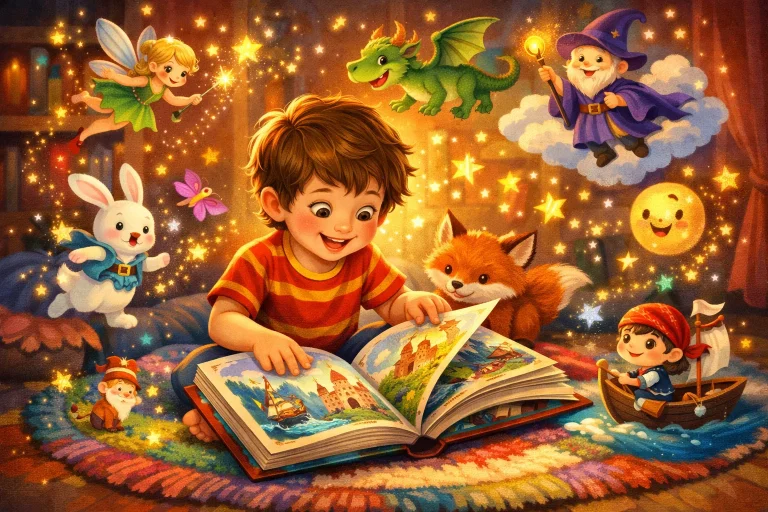
Have you ever opened a children’s book and been instantly drawn to the images? That’s not a coincidence. Children’s book illustration is a key part of storytelling. It helps children understand emotions, actions, and ideas even before they can read all the words. Illustrations create magic, turning simple stories into worlds that kids can explore and remember for years.
Illustrations aren’t just decoration, they enhance learning, imagination, and engagement. Bright, expressive images make reading fun, and well-crafted visuals can make even simple stories unforgettable. This guide is perfect if you’re a beginner, aspiring illustrator, or author wanting to create your own books. If you’re exploring children’s book publishing on Amazon, strong illustrations can make a huge difference in your book’s success.
Key Elements of Great Children’s Book Illustrations
Not all illustrations are created equal. Great illustrations are simple but clear. They convey the story without overwhelming young readers.
Expressive Characters: Characters should clearly show emotions. Big eyes, lively expressions, and dynamic poses help kids connect with the story.
Bright, Engaging Colors: Colors are powerful. Warm tones create happiness, cool tones create calm. Thoughtful use of color can set the mood and guide the reader’s attention.
Story-Driven Visuals: Every image should serve the story. Illustrations aren’t just pretty—they move the narrative forward.
Age-Based Differences:
- Toddlers (0–3 years): Bold shapes, bright colors, and simple designs.
- Early readers (4–7 years): Fun characters, clear actions, playful visuals.
- Middle-grade (8–12 years): More detail, realistic expressions, stronger storytelling visuals.
When creating illustrated children’s books, always consider the target age to make sure your art resonates.
Know Your Audience: Age Matters
Understanding your audience is key. You need to know the age group, cultural background, and reading level. Younger children respond better to simplicity and repetition, while older kids enjoy more detailed and complex visuals.
Cultural Sensitivity & Inclusivity: Children today come from diverse backgrounds. Your illustrations should reflect this diversity and avoid stereotypes. Inclusive visuals help children see themselves in stories, making your book more meaningful.
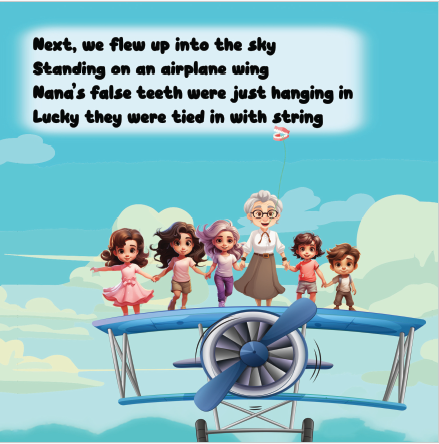
Matching Style with Story Tone: A humorous story needs playful and lively art. A bedtime story benefits from soft, calming illustrations. When your visuals align with the story’s tone, children feel the emotion of the narrative more deeply.
Popular Children’s Book Illustration Styles in 2026
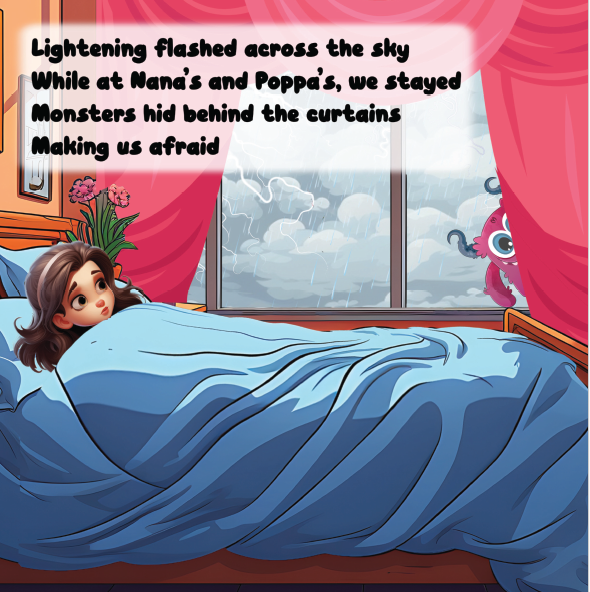
Several children’s book illustration styles are trending in 2026. Knowing them can help you choose a style that fits your story and audience.
1. Cartoon Style: Fun, expressive, and exaggerated characters. Great for humor and adventure.
2. Watercolor & Soft Textures: Gentle and emotional, perfect for bedtime stories.
3. Digital 2D Illustrations: Clean, modern, and flexible. Commonly used in children’s book publishing.
4. Hand-Drawn Sketch Style: Adds a personal touch and artistic feel.
5. Minimalist Illustrations: Focuses on simplicity, conveying the story with fewer elements.
6. AI-Assisted Illustrations: Emerging trend, but human creativity is still key. AI can help with concepts, but the artist’s touch is essential.
Choosing the right style can help your Children’s Book Stand Out on Amazon and attract more readers.
Tools and Software Every Beginner Should Know
You don’t need expensive equipment to start illustrating, but the right tools make the process smoother.
Digital Tools:
- Procreate (iPad)
- Adobe Illustrator
- Photoshop
- Clip Studio Paint
Traditional Tools:
- Watercolors
- Ink pens
- Colored pencils
- Textured paper
When deciding, consider your style, comfort, and budget. Some illustrators prefer digital tools for flexibility, while others love the natural feel of traditional methods.
Step-by-Step Illustration Process
Creating illustrations involves multiple steps. Let’s break it down:
Step 1: Read and Understand the Story
Identify the key scenes and emotions. Think about how each page can be visually represented.
Step 2: Create Characters
Design your characters with consistency in mind. They should be recognizable across all pages and show clear emotions.
Step 3: Storyboarding
Sketch small thumbnails of each page. Plan the layout and flow of the story.
Step 4: Sketching
Create rough sketches for each scene. Focus on composition and storytelling rather than perfection.
Step 5: Coloring & Rendering
Use colors to set the mood. Consider lighting, shadows, and textures. Each color choice should enhance the story.
Step 6: Finalizing Artwork
Clean your lines, check proportions, and prepare print-ready files. High resolution and correct formatting are essential, especially for children’s book publishing on Amazon.
Developing Your Unique Illustration Style
Many beginners struggle to find their own style. The truth is, it takes time. Experiment with different techniques, study successful illustrators, and practice daily. Your personal style will emerge naturally. Inspiration is fine, but avoid copying—originality will make your work stand out in a crowded market.
Common Mistakes to Avoid in Children’s Book Illustration
Some mistakes can hold back your illustrations:
- Overcomplicating designs
- Inconsistent characters
- Ignoring the balance between text and images
- Poor color choices
- Not preparing files properly for printing
I’ve seen books with amazing art, but the text was hard to read or got lost behind the images. That’s why balance is key.
Building a Professional Illustration Portfolio
A portfolio is essential if you want clients or publishing opportunities. Include your best work, such as character designs, full scenes, and storytelling samples. Platforms like Behance, Dribbble, or your own website are great places to showcase your work. Even a small portfolio of 8–12 strong pieces can impress publishers or clients.
Working with Authors and Publishers
Communication is critical. Understand the project brief, ask questions, and provide updates. Be clear about contracts and payment terms. Some projects pay flat fees, others offer royalties. Reliability and professionalism are just as important as talent. Companies like Frontline Publishing look for illustrators who can deliver consistently and collaborate smoothly.
Children’s Book Illustrator Earnings in 2026
Illustrators earn in several ways: per page, per project, or royalties. Beginners often start at $20–$100 per page, while professionals can charge $100–$500+ per page depending on complexity. Factors affecting income include experience, project length, style, and deadlines. With more demand for illustrated children’s books, opportunities for illustrators continue to grow.
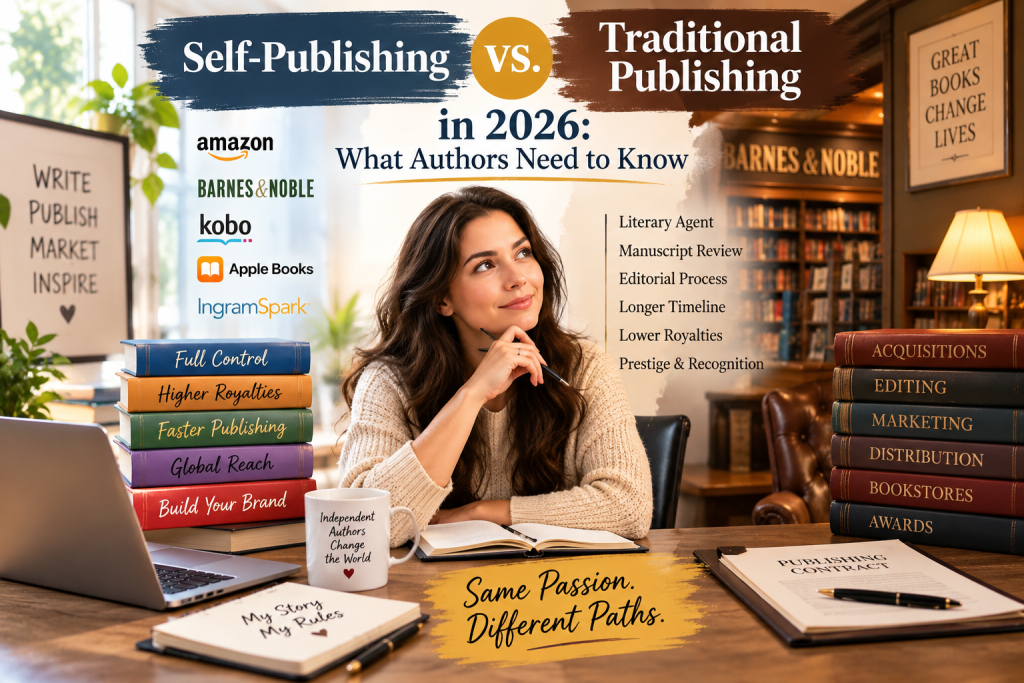
Self-Publishing Your Illustrated Children’s Book
Self-publishing has never been easier. Platforms like Amazon KDP and IngramSpark allow you to publish without a traditional publisher. Success depends on professionalism your illustrations, cover design, and formatting must be high-quality. When done right, your book can Children’s Book Stand Out on Amazon and reach thousands of readers. Even simple stories with strong visuals can achieve great results.
Future Trends in Children’s Book Illustration
The industry is evolving rapidly. Digital-first books, interactive illustrations, and AI-assisted tools are shaping the market. Diversity and inclusivity are becoming more important in children’s books. Despite these changes, human creativity remains the driving force behind meaningful and memorable artwork.
Tips to Get Started Right Away
Start small. Sketch daily, explore different styles, and practice storytelling. Try creating a short 10-page book to practice your skills. Focus on developing habits rather than perfection. With consistent effort, your skills and confidence will grow, allowing you to tackle bigger projects over time.
Conclusion
Children’s book illustration is more than drawing it’s about bringing stories to life. You’ve learned the elements of great illustrations, the step-by-step process, tools, styles, and publishing tips. With dedication, practice, and creativity, you can turn your passion into a rewarding career. Your illustrations could not only succeed in children’s book publishing but also help a Children’s Book Stand Out on Amazon, reaching thousands of young readers worldwide.